


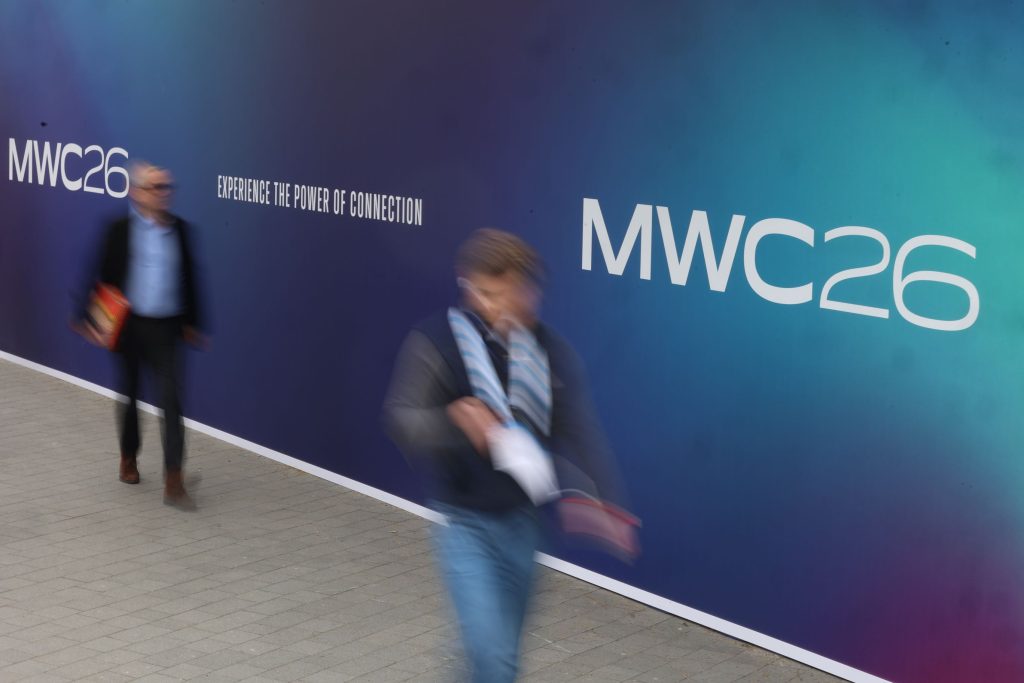
At this year’s Mobile World Congress (MWC) 2026 in Barcelona, the definition of mobile continued its expansion into everything from smart cars to robots. But there were also several trends and announcements that IT departments should be following both for
Bottling up the trends at this year’s MWC into one theme is a bit tricky, as in many ways there were wildly different storylines depending on which way one was looking. But according to the most recent Aberdeen/Spiceworks State of IT report, 37% of businesses are expecting to increase their spend on mobile devices this coming year, so many of these new trends and technologies will play a part in figuring out where that spend will go.
AI, Wi-Fi 8, and throwback physical keyboards
As always nowadays, AI was front and center, with several vendors touting increased onboard processing to enable better AI capabilities in mobile devices and providers enabling time-saving AI capabilities. And there were of course connectivity discussions centered around new and emerging technologies such as Wi-Fi 8 and 6G.
READ MORE:
Landing a dream IT role: What hiring managers really want
But I also saw several throwback announcements. For example, despite many claims that all typing will disappear and we will all either be talking to our phones or AI will do what we need before we know we need to do it, there was a big focus on keyboards, actual physical mobile device keyboards at this year’s MWC.
I find this to be a welcome trend as most software keyboards have been getting worse in recent years and talking to one’s phone is not always the best mode of interaction. And face it, anyone over 45 misses the days of physical mobile keyboards.
A few steps towards increased privacy
We also saw interesting announcements pushing mobile devices that aren’t part of the big two mobile operating systems. For example, Motorola announced new mobiles that will run the GrapheneOS fork of Android, which provides for a more secure and less Google-dependent operating environment.
And a European vendor was displaying a new Linux-based mobile device. Looking at recent trends in digital sovereignty, both of these announcements should be intriguing for businesses looking for more private and secure mobile devices.
Other trends and announcements from Barcelona that might impact your IT roadmap over the next 12 to 18 months included Qualcomm showing a new mobile system integrating Wi-Fi 8 and Bluetooth 7 and the new X105 5G Modem. We also saw privacy issues addressed (at least a little bit) with Samsung’s Privacy Display which restricts viewing angles and prevents shoulder-surfing in public spaces.
Also of interest for businesses looking to get more flexibility out of mobile hardware investments was Lenovo’s module AI PC Concept, a dual-display laptop with hot-swappable components and ports.
READ MORE:
Q-Day just got closer. Here’s what changed
For small businesses looking to increase their mobile capabilities, some of these new technologies will be available soon and some may never actually see the light of day. But IT departments looking to improve mobile security, AI capabilities and connectivity should expect many of these solutions to be impacting their IT decisions.
link