


Dalhousie Engineering has officially launched a new Computer Engineering program. Previously an option within the Electrical Engineering degree, Computer Engineering is now its own distinct degree program, reflecting the growing demand for expertise in this field.
With the rise of artificial intelligence, cybersecurity, and smart technologies, industries such as telecommunications, healthcare, aerospace, and finance increasingly rely on computer engineers to develop cutting-edge hardware and software solutions. But what is Computer Engineering, and how does it compare to related disciplines?
To find out, we spoke with two Dalhousie engineering professors, Dr. Rob Adamson, who played a key role in launching the program, and Dr. Colin O’Flynn, who will be teaching upcoming Computer Engineering courses. Both shared insights into what sets Computer Engineering apart and why students should consider the program.
Q: What is Computer Engineering, and how does it differ from Computer Science?
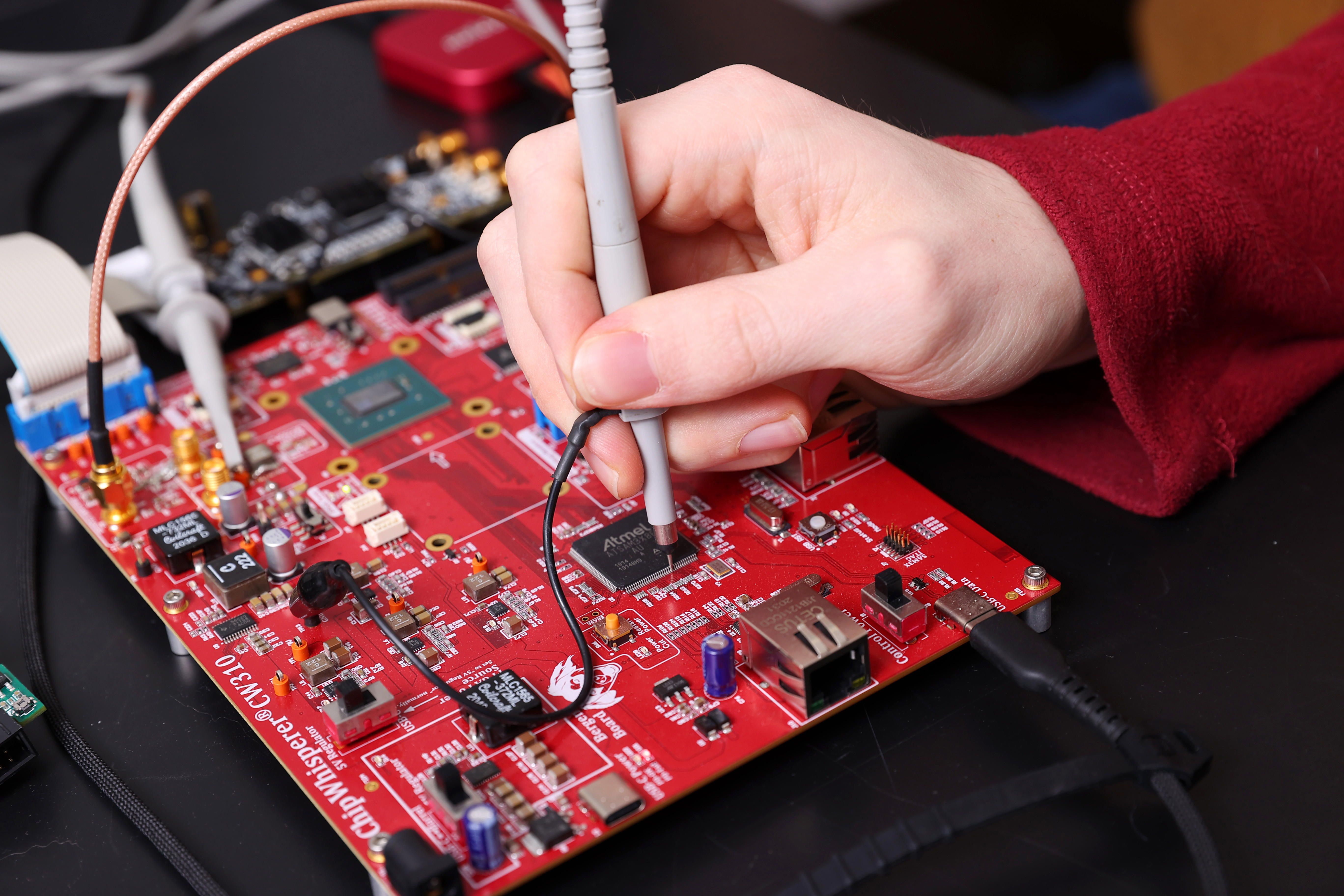
Computer Engineering is a field that integrates computer science, electrical engineering, and electronics engineering to design and develop computer hardware and software. The field focuses on how computers operate internally, including hardware functionality and system architecture. It involves interfacing computers with external devices, specialized networking, and understanding the relationship between hardware and software, areas that set it apart from Computer Science.
“There’s a lot of overlap, and we do get this question quite a bit. People do cross over. There are courses that cross over between them,” says O’Flynn. “It’s common for Computer Engineering students to take electives in Computer Science. There are also more opportunities in Computer Engineering if you want to be involved with power engineering or RF (radio frequency) engineering because we offer those courses.”
“Some of the new courses that we’re introducing are coming from computer science and they’ve been they’ve been absolutely great partners in in putting this proposal together,” adds Adamson. “I think one of the benefits that we’ll get from the program starting is a closer collaboration with Computer Science.”
Q: How does Computer Engineering differ from Electrical Engineering?
Computer Engineering provides deeper training in computer architecture and embedded systems, equipping students with the skills to design and lead projects involving new computing systems. While both computer and electrical engineers work with embedded computers, Electrical Engineering places more emphasis on analog systems, power systems, and hardware applications, whereas Computer Engineering focuses more on digital systems and software-hardware integration.
“If you think about what’s in a cell phone, you have components like the microphone and speaker, which are designed by electrical engineers,” says Adamson. “At the same time, there are multiple processors inside the device, a screen, and all of these must connect together. You also need efficient code to control them while conserving battery life. That’s what computer engineers learn to do. Then, you’ll want apps on the phone to run all the functions, and those apps are primarily written by computer scientists. That’s one way to understand the distinctions between these fields.
Q: What kind of career opportunities are available to graduates of this program?
In a fast-growing field, Computer Engineering graduates can pursue careers in embedded systems development, hardware and software engineering, systems architecture, network engineering, and even biomedical engineering. Computer engineers specialize in managing resources efficiently to control independent computing systems. Electrical engineers however work with a broader range of electronics, including embedded systems and analog components like microphones, speakers, motors, and power systems. The demand for each depends on the specific job and industry needs.
“I think with advances in robotics, interconnected devices, and artificial intelligence, Computer Engineering is becoming a more sought-after area,” says Adamson.
“There’s also quite a bit of interest now in the cybersecurity of physical systems,” adds O’Flynn. “Quite a few companies have been hiring in this area, and this is very much a Computer Engineering specialty because it deals with the interaction between computers and hardware. This makes it distinct from Computer Science. Companies like Nvidia, which develop highly specialized chips like GPUs, have been heavily investing in security-focused teams.”
Q: What skills do students gain in the Computer Engineering program?
Students develop a strong foundation in programming, circuit design, digital logic, microprocessor systems, and embedded software. They also gain experience with industry-standard tools, hardware design, and system optimization, making them well-rounded engineers capable of tackling both hardware and software challenges.
“Computer Engineering provides more training on the actual architecture of how a computer functions. Today, IoT (internet of things) and embedded systems are everywhere,” says O’Flynn. “While electrical engineers make use these systems in their designs, they’re not typically designing entirely new architectures. In Computer Engineering, you gain the tools to do that—you have the skills to lead a project in that area.”
Q: Why should students consider Computer Engineering at Dalhousie?
Dalhousie’s Computer Engineering program is designed to equip students with cutting-edge skills in this rapidly evolving industry. With state-of-the-art facilities, strong industry connections, and hands-on learning opportunities, students will be well-prepared for future careers. Plus, Halifax’s growing tech sector provides excellent opportunities for co-op placements and post-graduation employment.
For students interested in working with devices rather than just software, Computer Engineering is a great choice, providing the background to not only program but also understand how a system fits into a larger device, how it connects to other components, and how it networks with other systems.
“I think one of our strengths is having Colin, who brings a unique background in cybersecurity as applied to embedded devices,” says Adamson. “We’re also about to make a new hire as a Tier 2 CRC (Canada Research Chair), bringing expertise in Computer Engineering as applied to ocean technology. We’ve got a fair amount of ocean expertise within the Faculty, which I think is quite unique. And I think our regional presence in Halifax, Nova Scotia, and the Atlantic provinces—being the leading engineering school in the region is important. With this new program we are adding a really essential discipline of modern engineering to the options available to our students.”
link